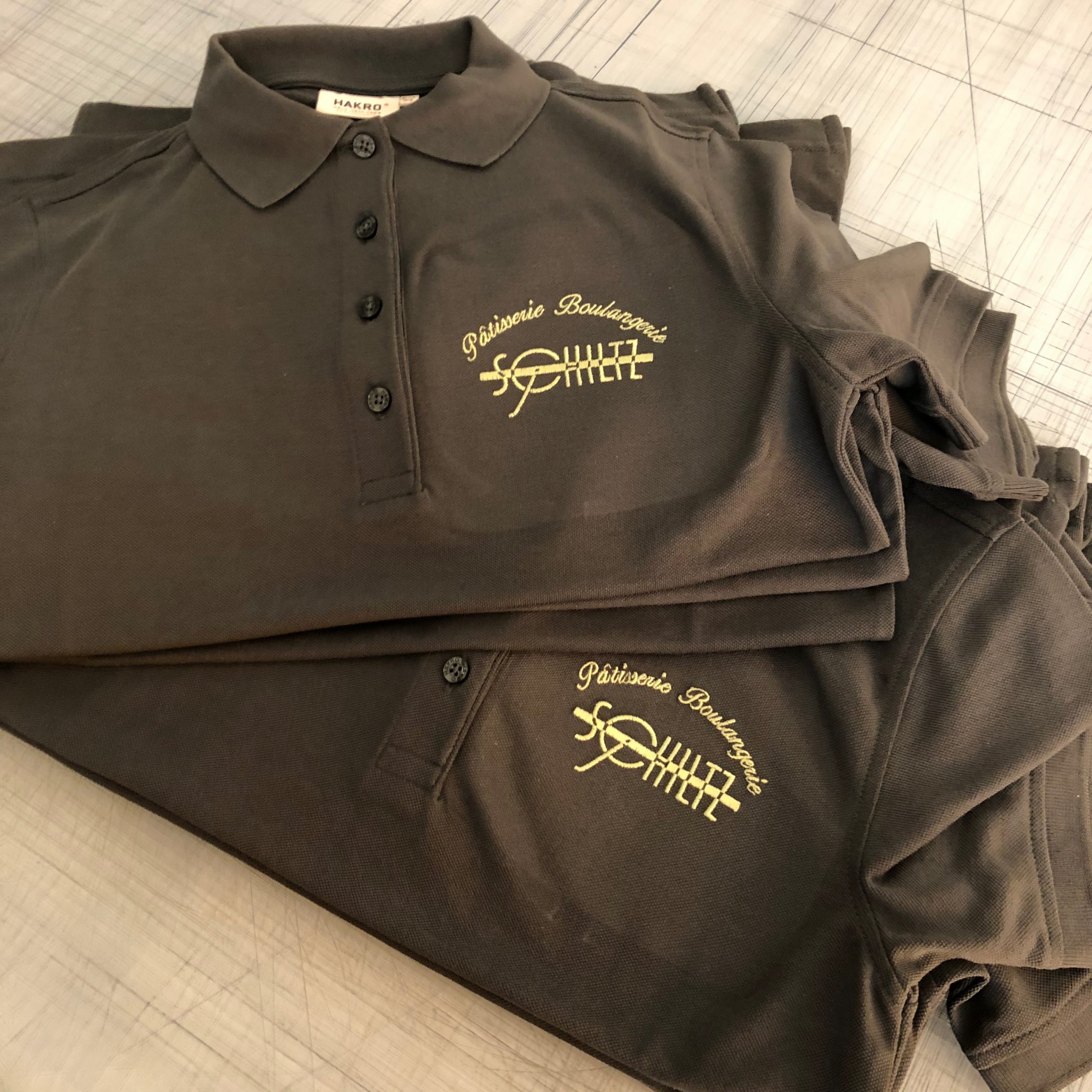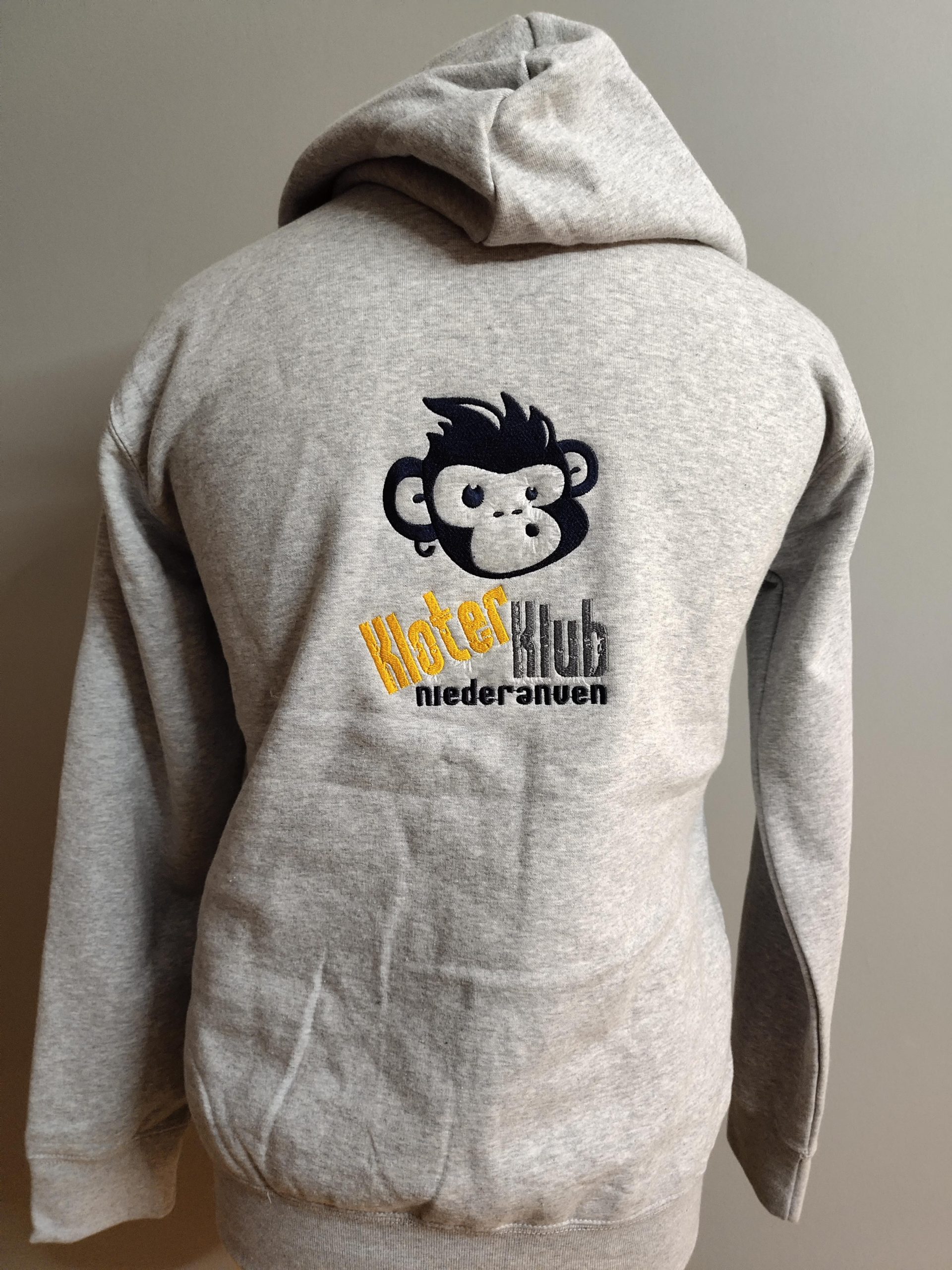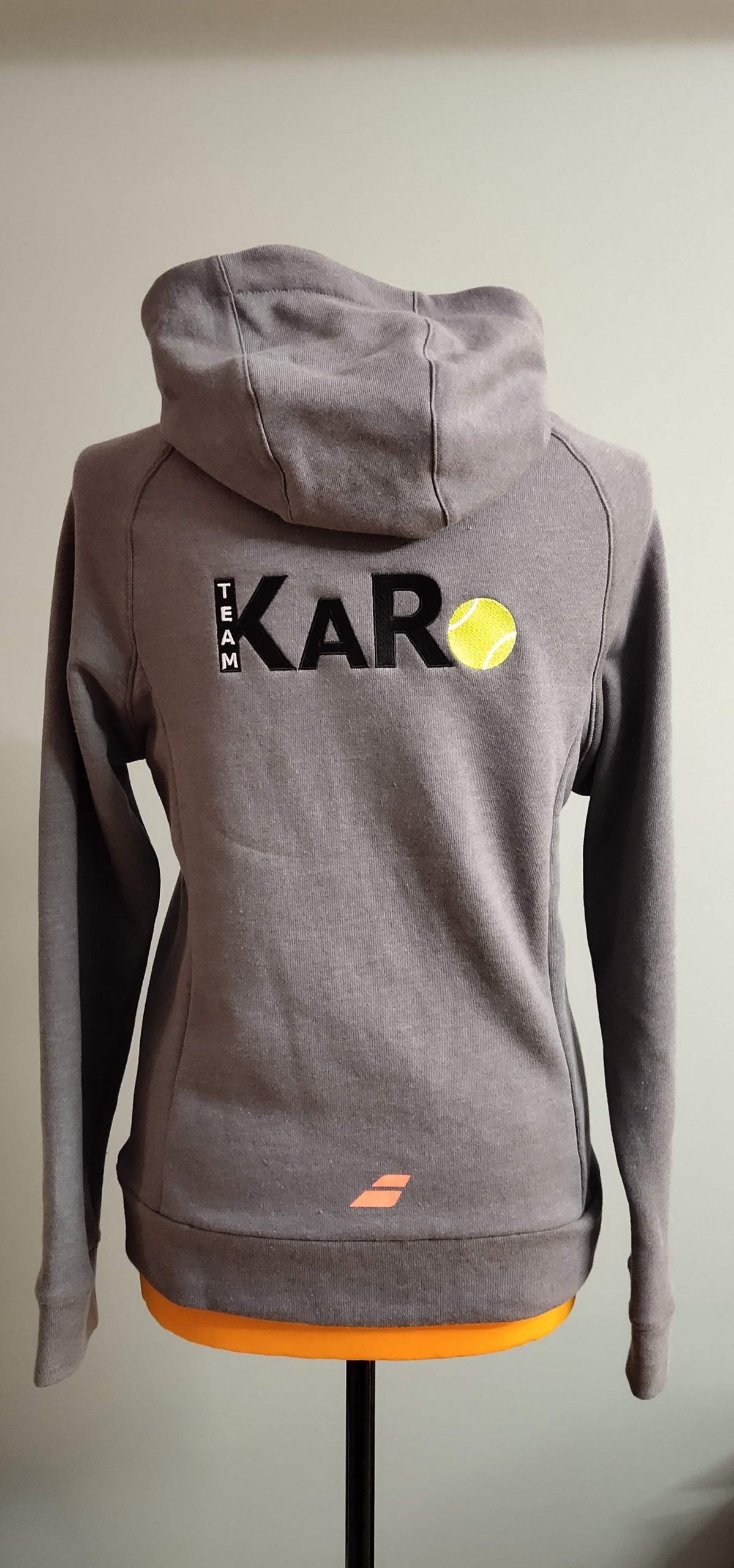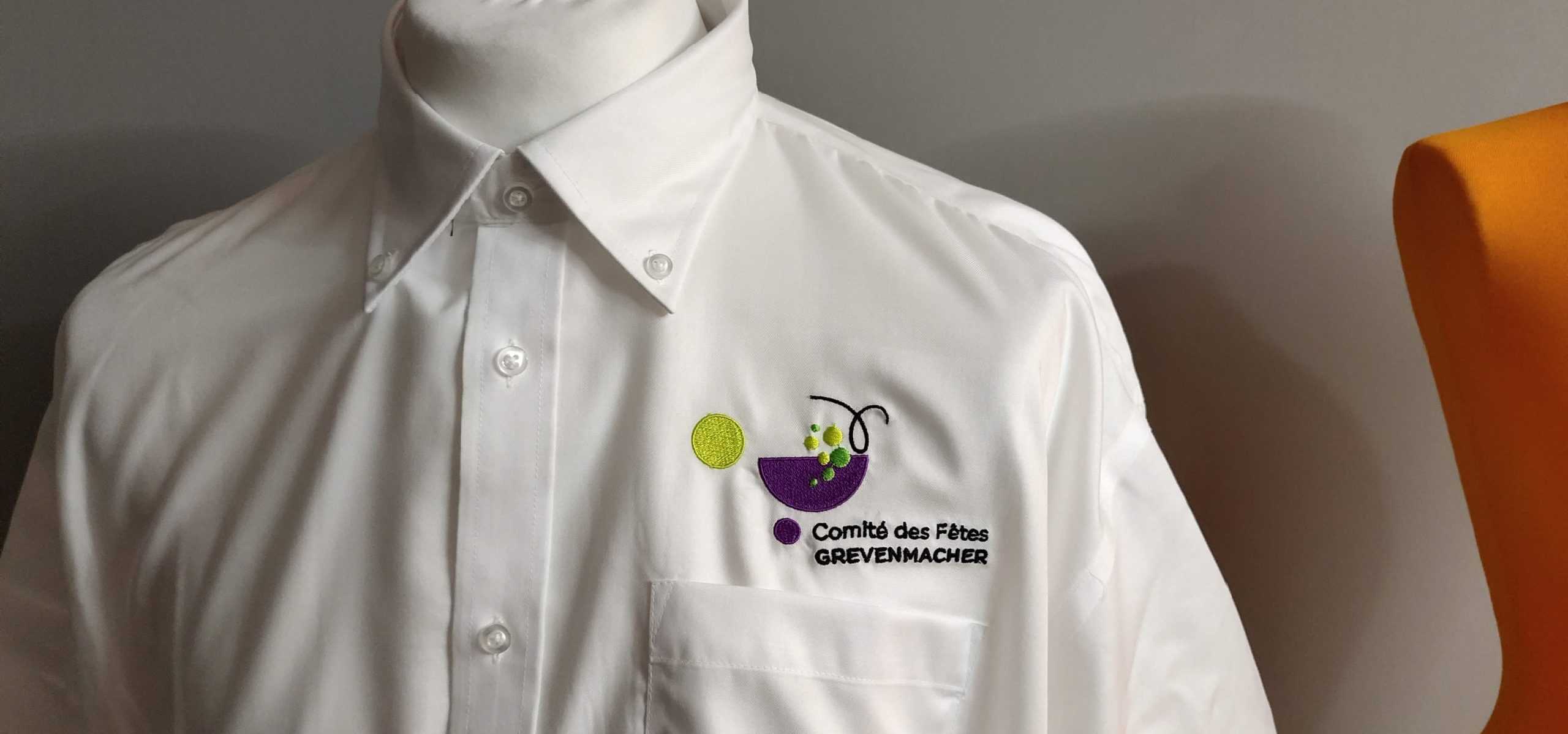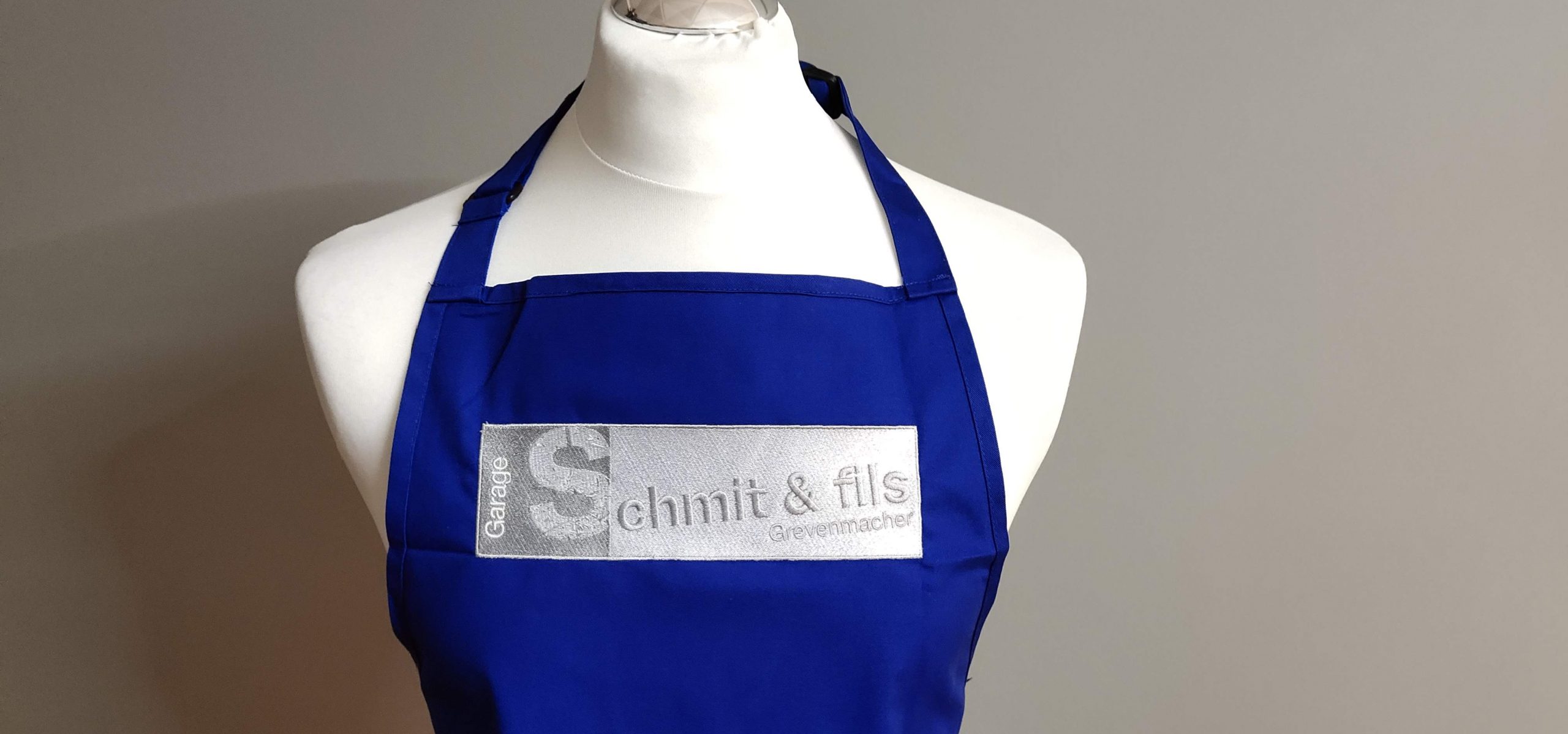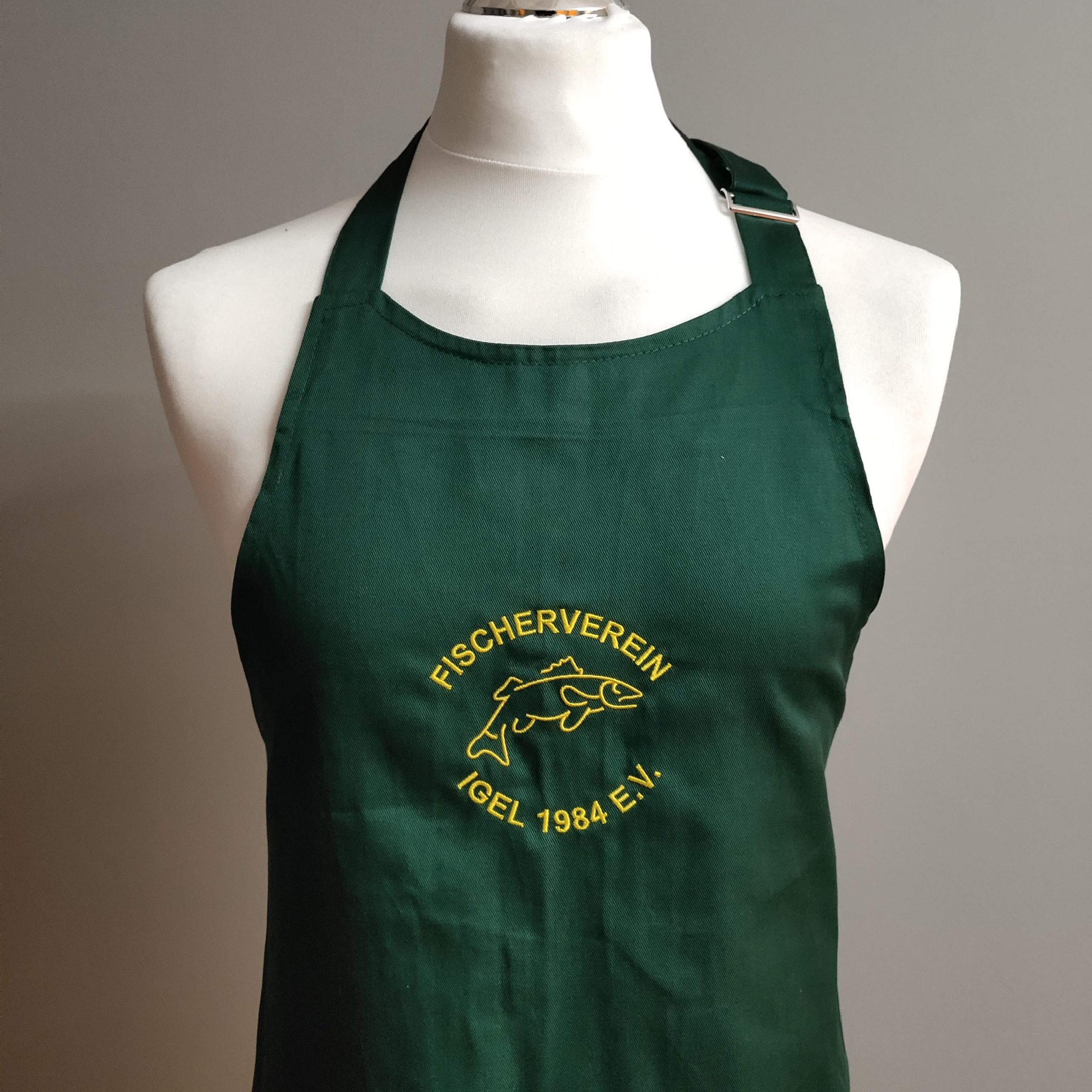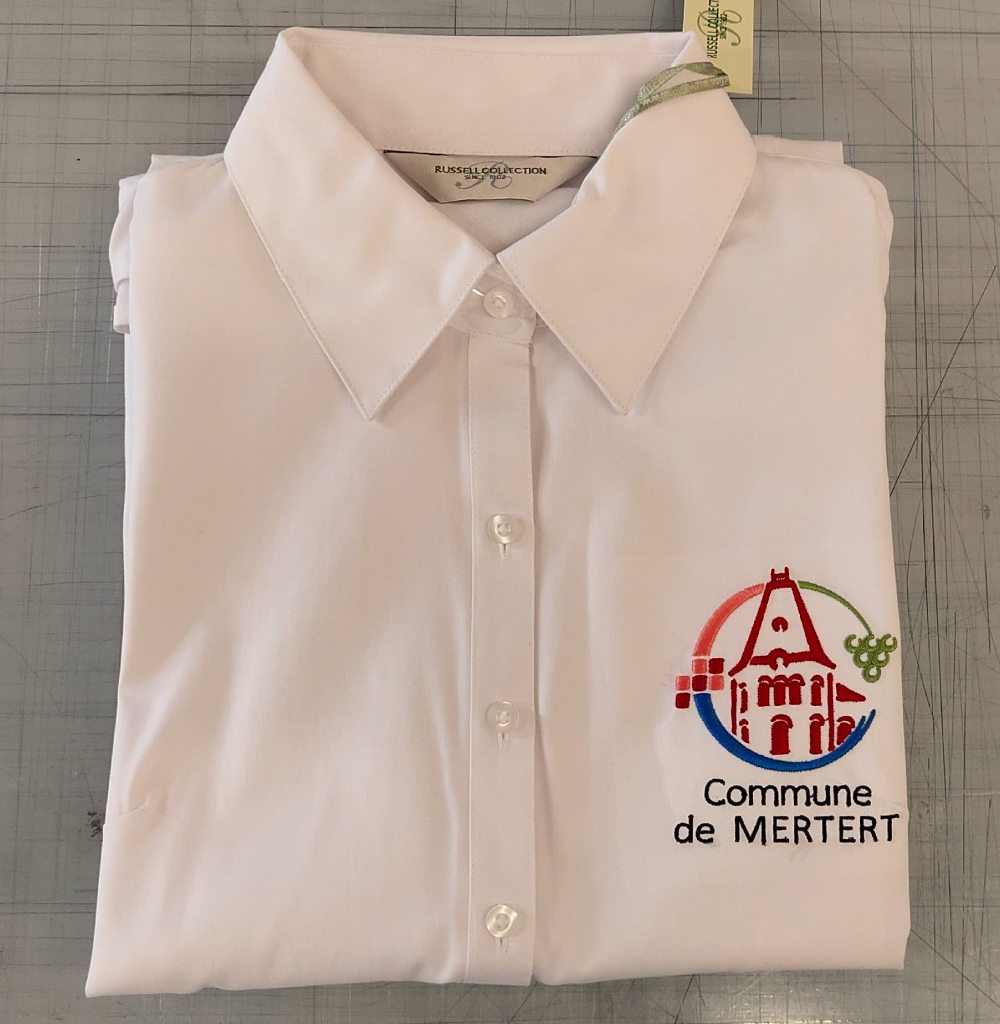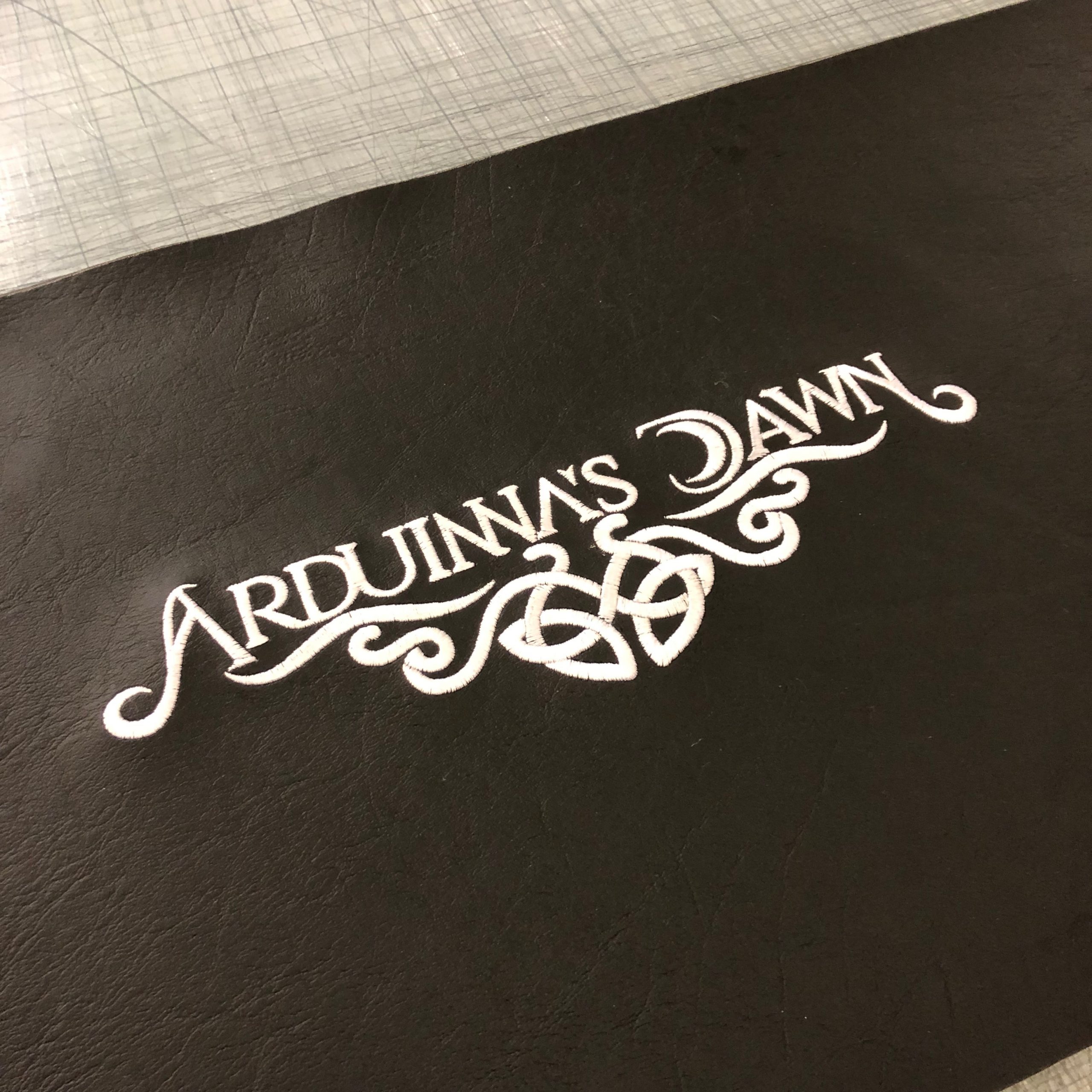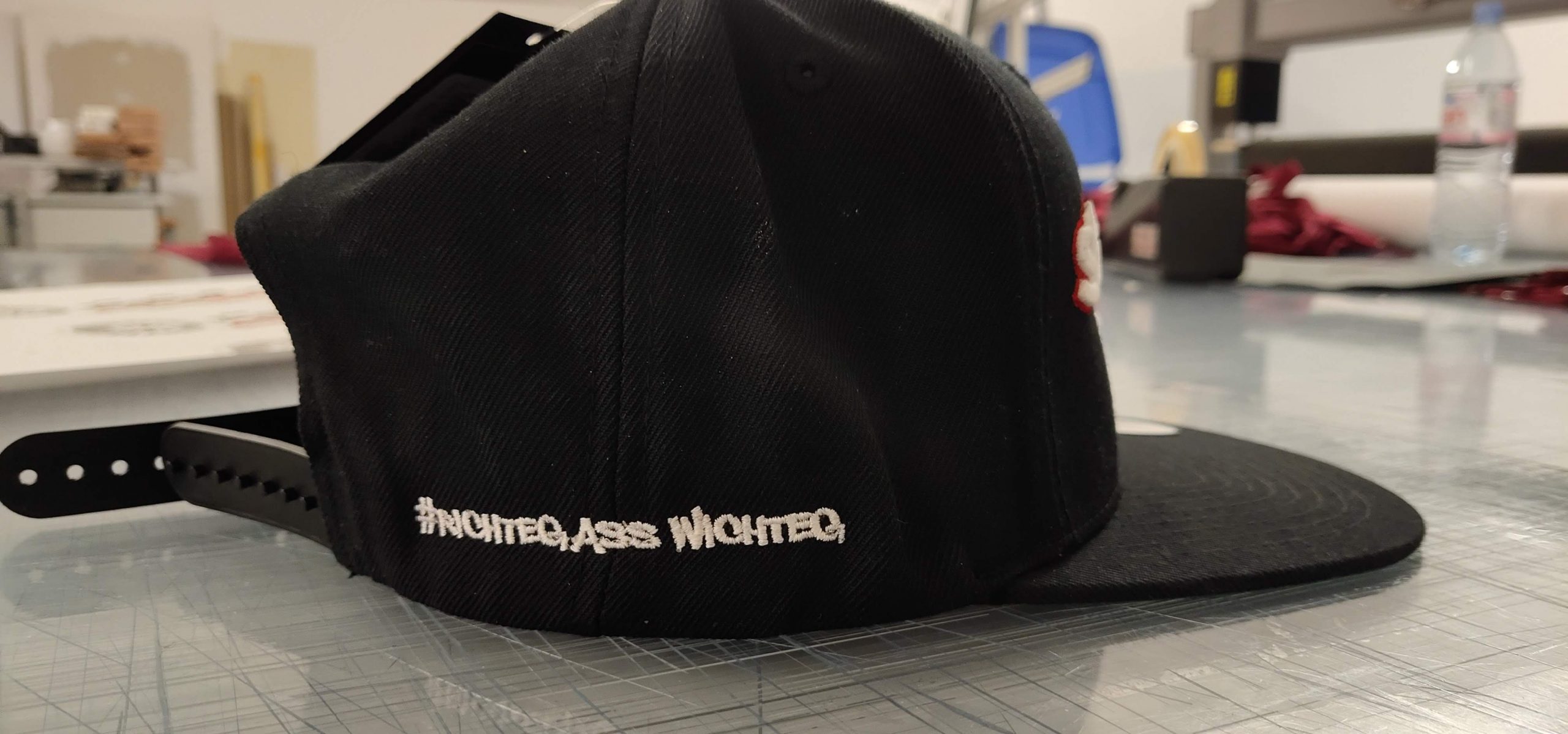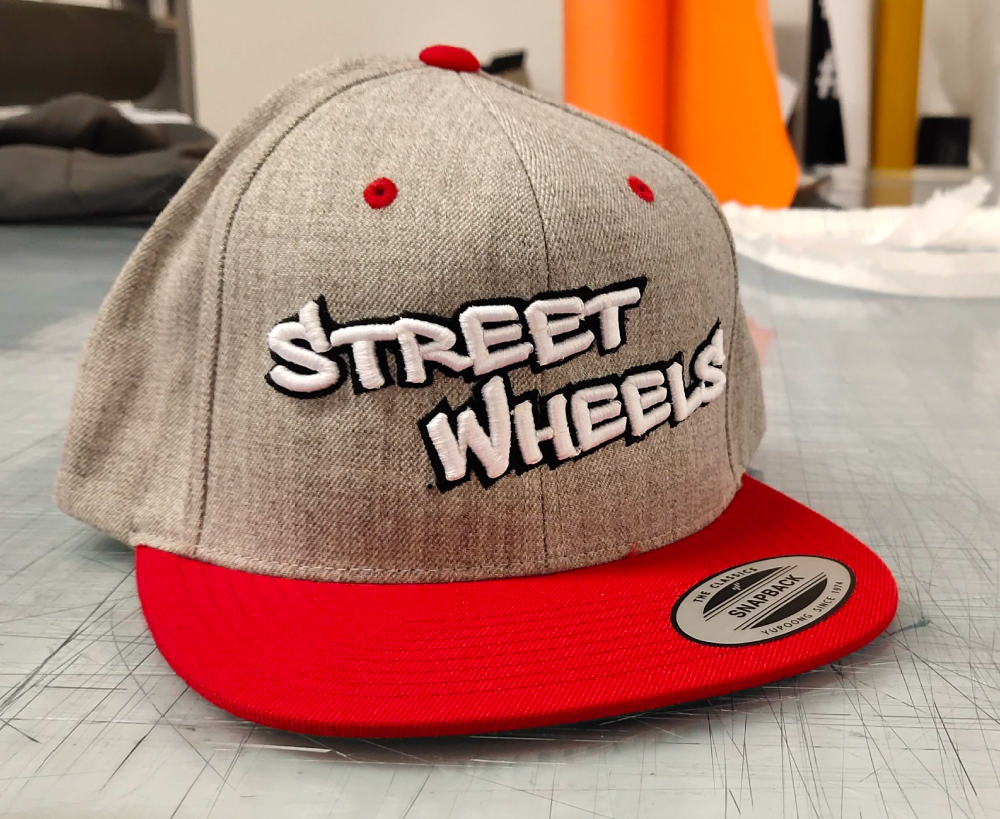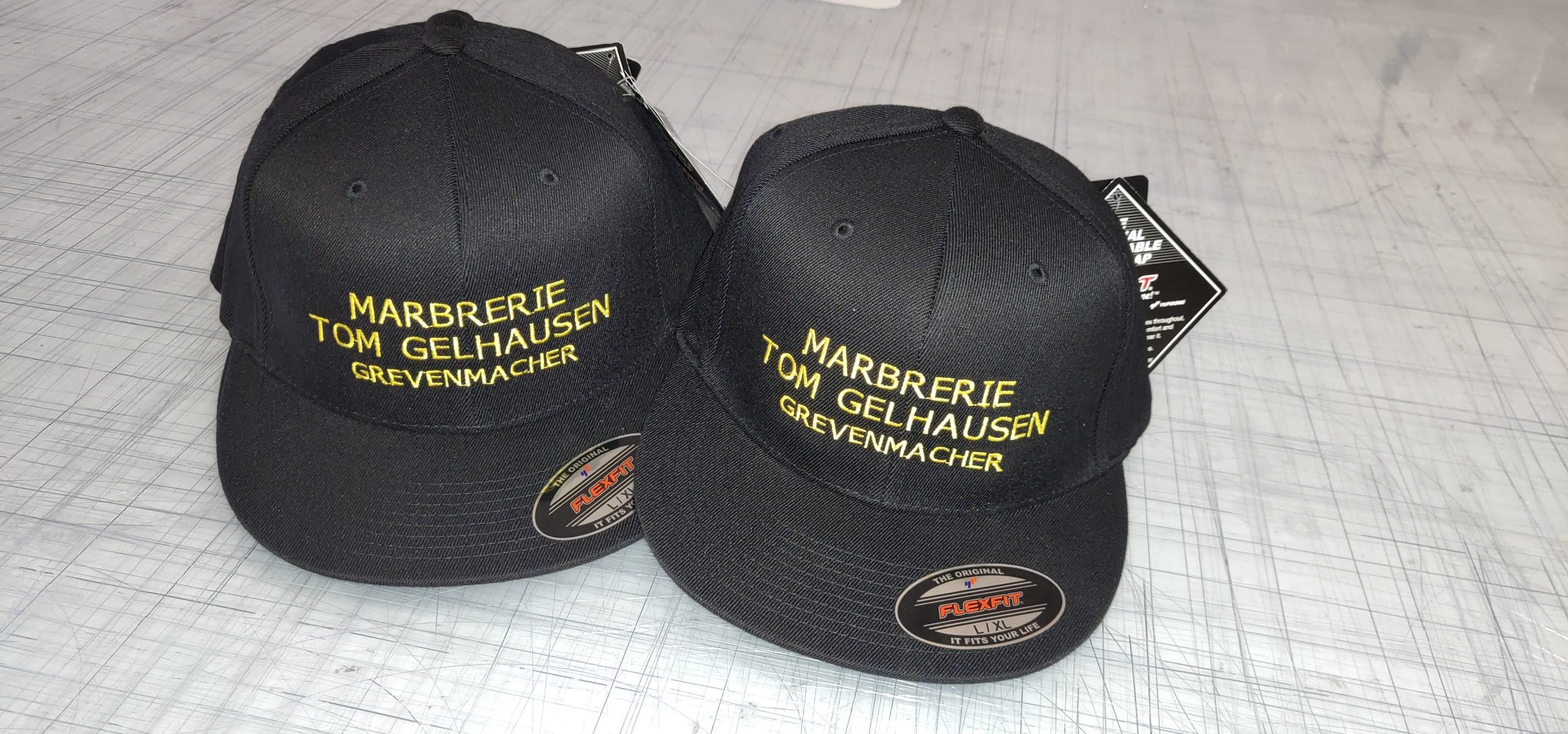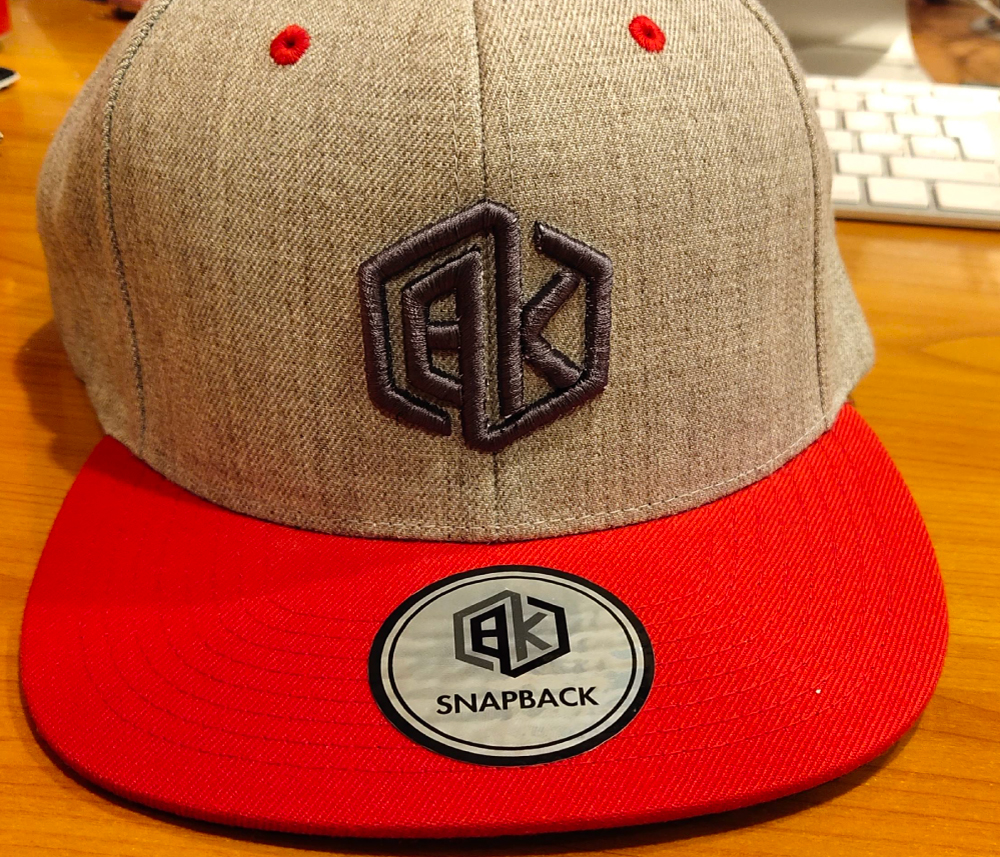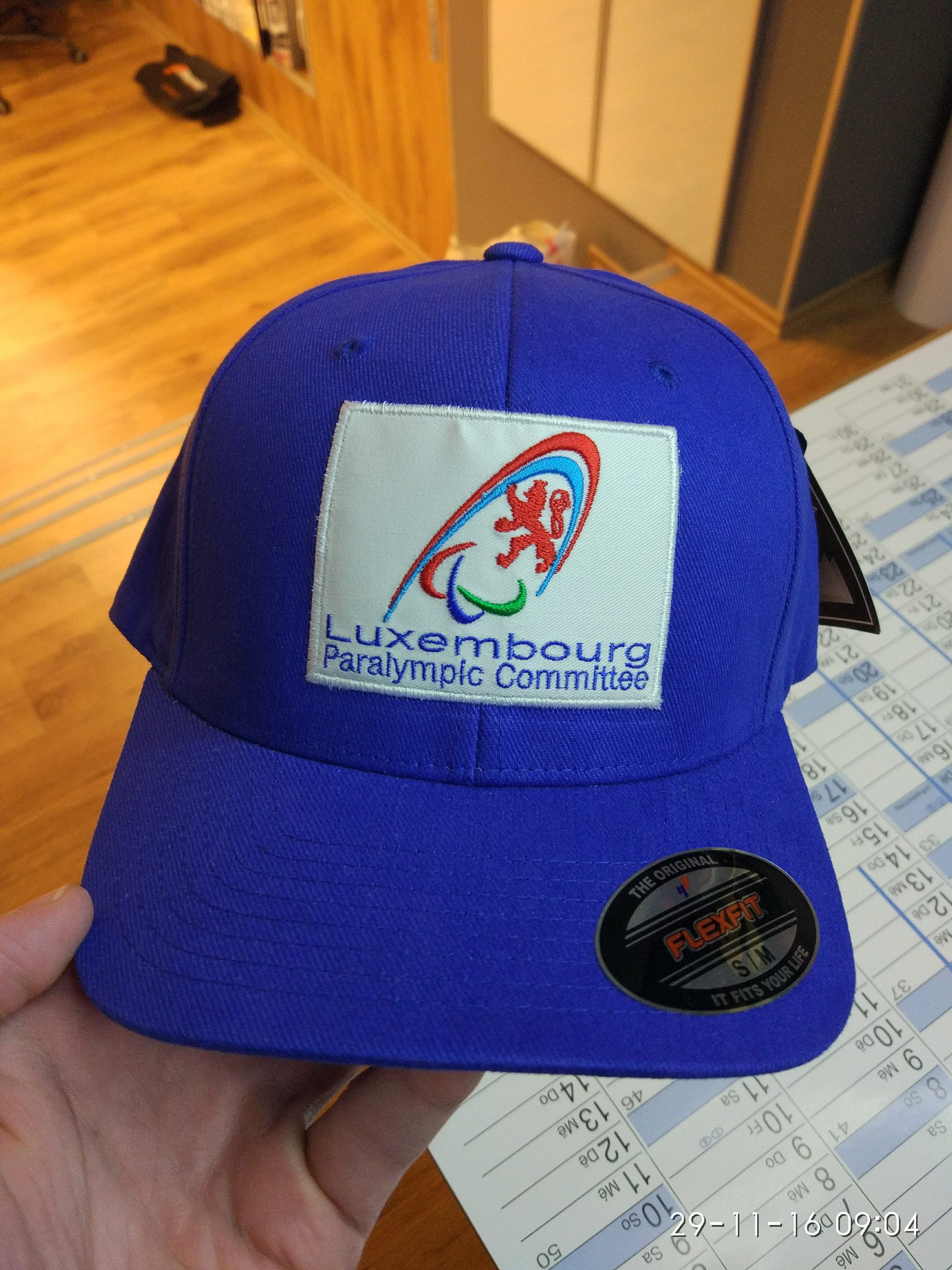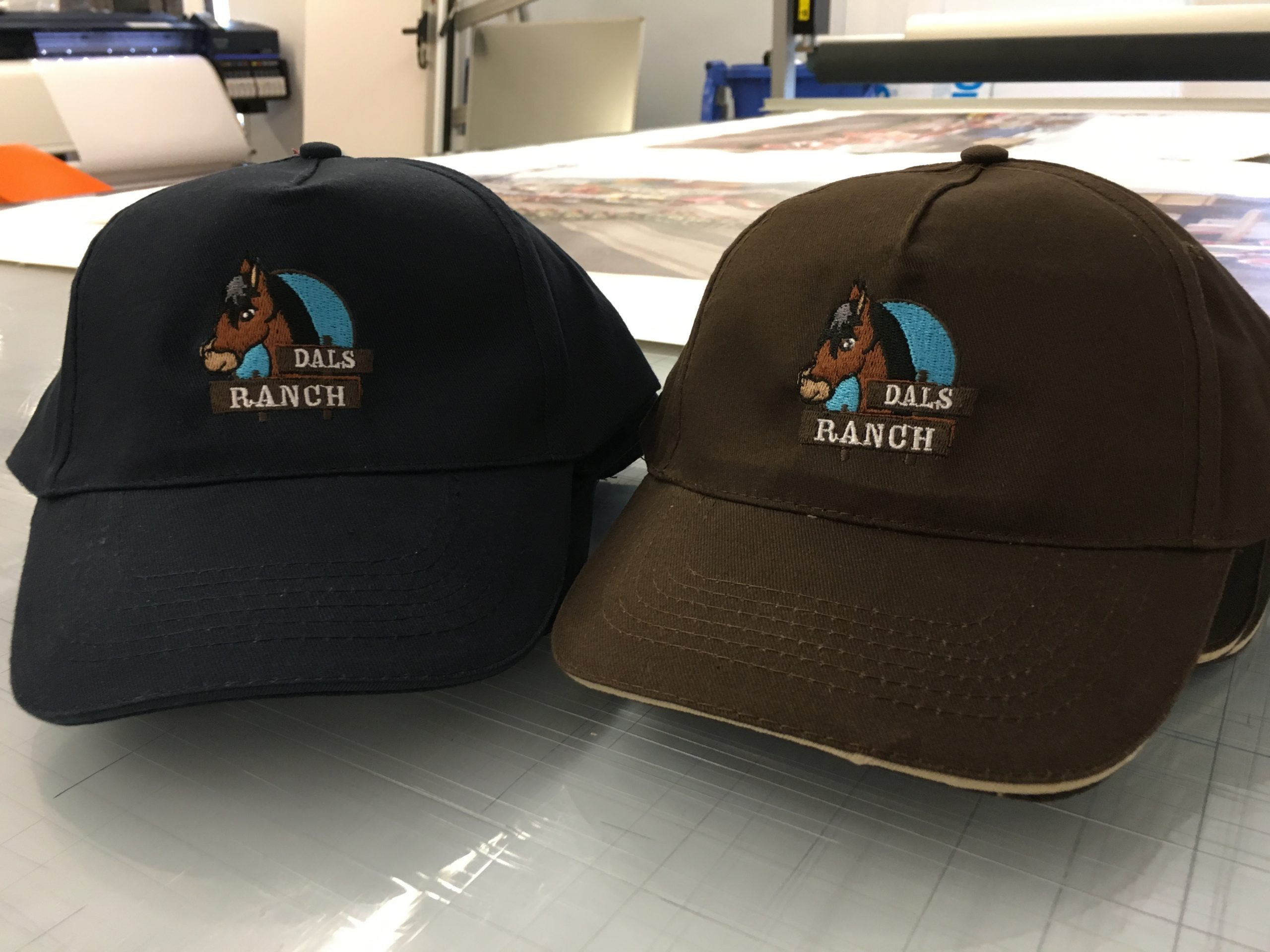
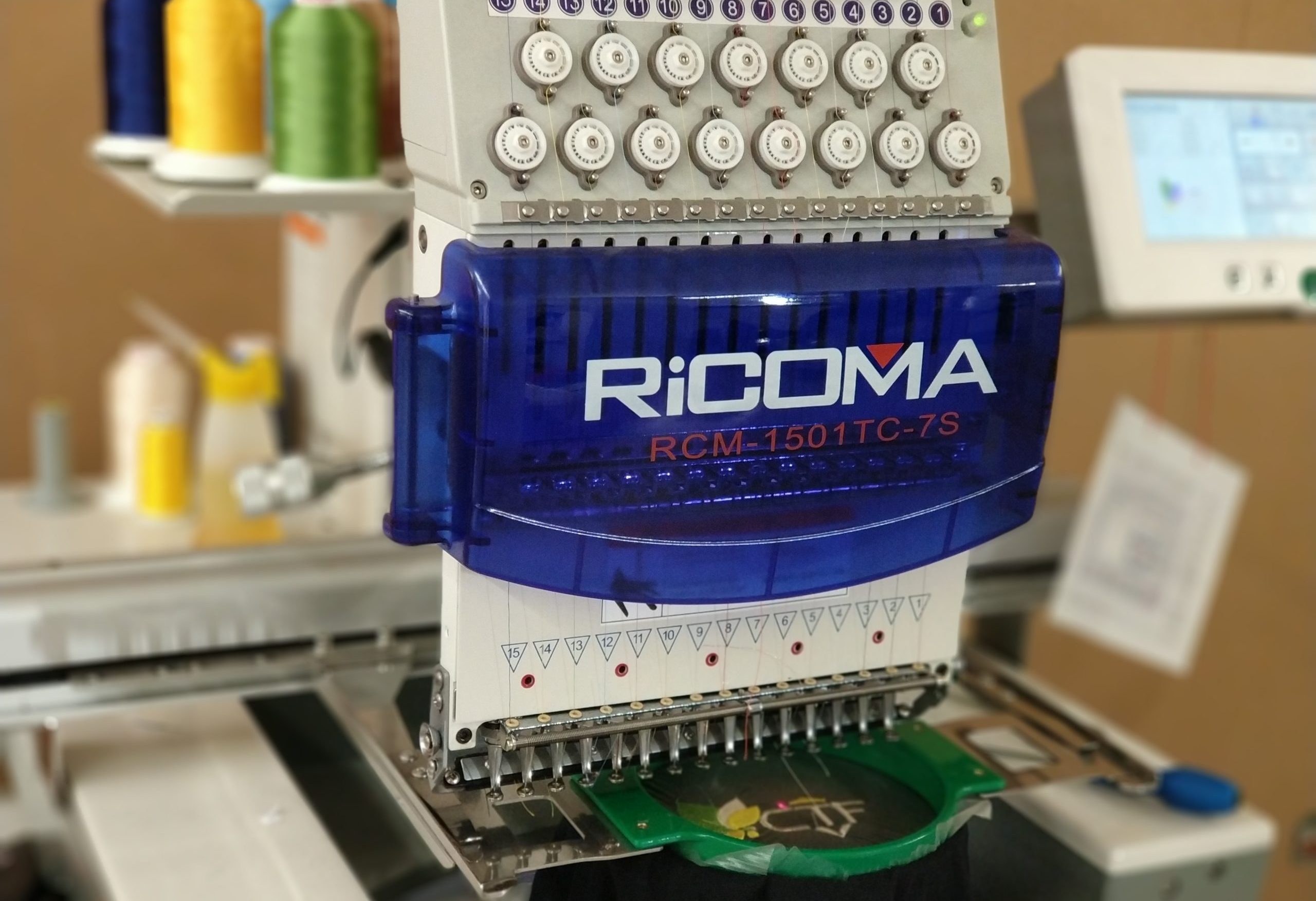
The artwork is digitised into an embroidery file that controls the machine. Thread colours, stitch types, backing and density are matched to the design, size and garment.
Why embroidery looks premium
Thread forms a tactile, slightly raised surface that becomes part of the textile. This makes embroidery particularly suitable for polos, jackets, caps, towels and robust corporate clothing.
Suitable garments and artwork
Stable garments are generally easier to hoop and support. Very fine details need to be simplified for thread.
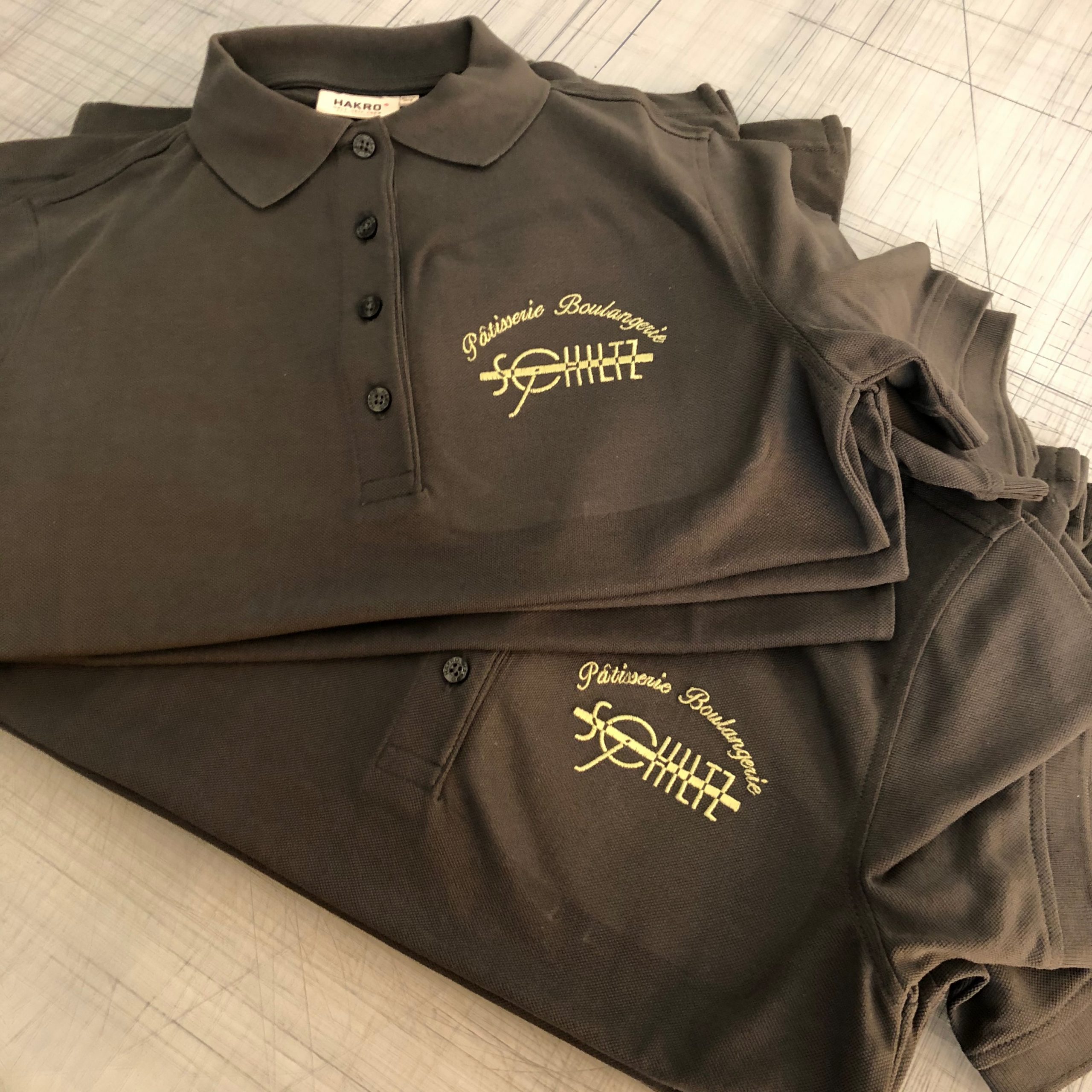
- Polo shirts, sweatshirts and jackets
- Workwear and team clothing
- Caps, beanies and bags
- Towels, bathrobes and terry products
- Names and compact company logos
From artwork to embroidery file
A normal image or vector does not control an embroidery machine. It must be digitised into stitches, directions and a production sequence.
- Check minimum sizes and fine detail
- Digitise stitch types and sequence
- Select thread colours and stabilisation
- Hoop and embroider the garment
- Inspect threads, reverse and appearance
Frequently asked questions
What does embroidery digitising cost?
The work depends on design, dimensions, detail and stitch types. We calculate setup together with production.
Can every logo be embroidered exactly?
Not always unchanged. Tiny details, thin lines and gradients often need embroidery-specific adjustment.
Why does stitch count affect price?
More stitches require more machine time and thread, so dimensions and filled areas have a direct effect.
Can pockets and caps be embroidered?
Often yes, provided the shape, access, material and hooping method are suitable. We check the actual item.
Check your logo and garment for embroidery
Send the artwork, dimensions, position, garment and quantity. We will assess detail and prepare a suitable quote.