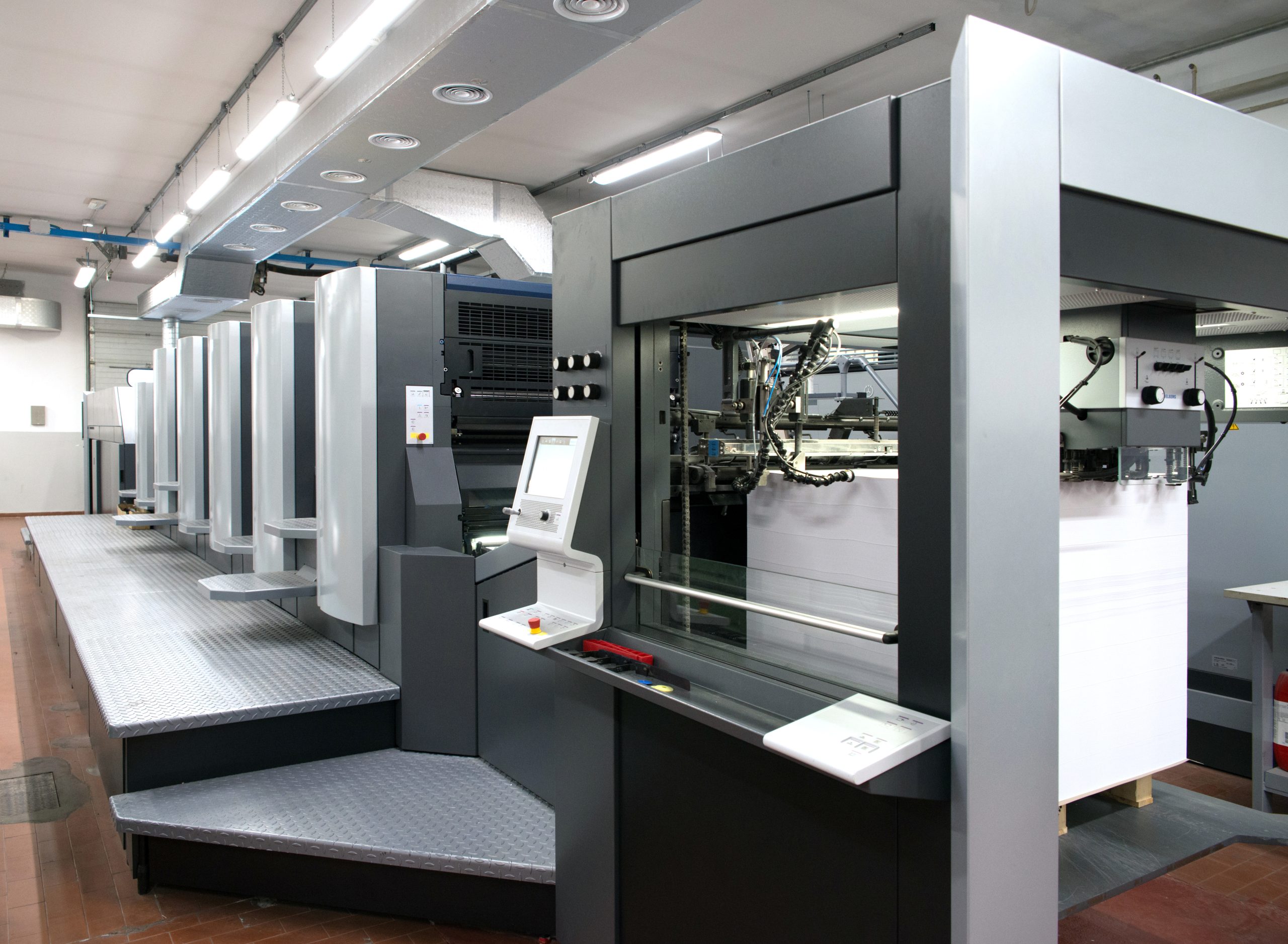
Offset printing transfers the image from printing plates to a rubber blanket and then onto the paper. Setup takes more work than digital printing, but the process is highly efficient and repeatable for large, identical runs.
How offset printing works
A separate plate is prepared for each colour. The image first transfers to a rubber-covered cylinder and then to the substrate. Once the press is set up, high quantities can be produced with a consistent result.
When offset printing pays off
As the identical quantity increases, the initial setup cost is spread across more copies.
- High quantities of one unchanged design
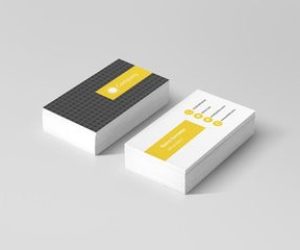
- Repeat stationery with a consistent appearance
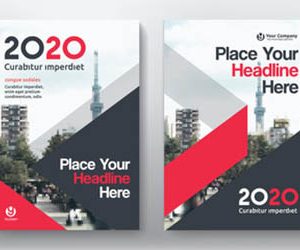
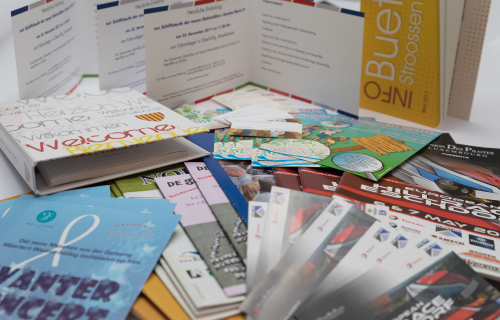
- Brochures, catalogues, flyers and letterheads in series
- Projects using selected papers and coordinated colour output
- Production schedules that allow for careful prepress and setup
Planning, printing and finishing
Format, page count, paper, colours, quantity and binding should be agreed early for a reliable offset production schedule.
- Check artwork, bleed and colour setup
- Confirm paper, quantity and finishing
- Produce plates and set up the press
- Print with ongoing quality control
- Trim, fold, staple, bind or pack
Frequently asked questions about offset printing
At what quantity is offset cheaper?
There is no single threshold. Size, paper, colour and finishing all affect the comparison. We calculate the suitable process for each project.
Can every copy be personalised?
Classic offset printing produces an identical run. Variable names or codes are better produced digitally or with a combined workflow.
Can spot colours be used?
A defined spot colour may be useful depending on the project. We check technical feasibility and cost against the artwork and substrate.
Why does offset need more lead time?
Plate production, press setup and colour adjustment add preparation stages. In return, the process is highly productive for large runs.
Have your offset project calculated properly
Send us the size, page count, paper, colours, quantity and deadline. We will check whether offset or digital printing is the better fit.